Understanding Moisture: Keeping Skin Comfortable Year-Round
Skin that feels tight, rough or flaky is usually telling you it has lost some moisture. The outer layer of skin acts like a protective wall, and when it is well cared for, it keeps water in and irritants out.
What moisturizers do
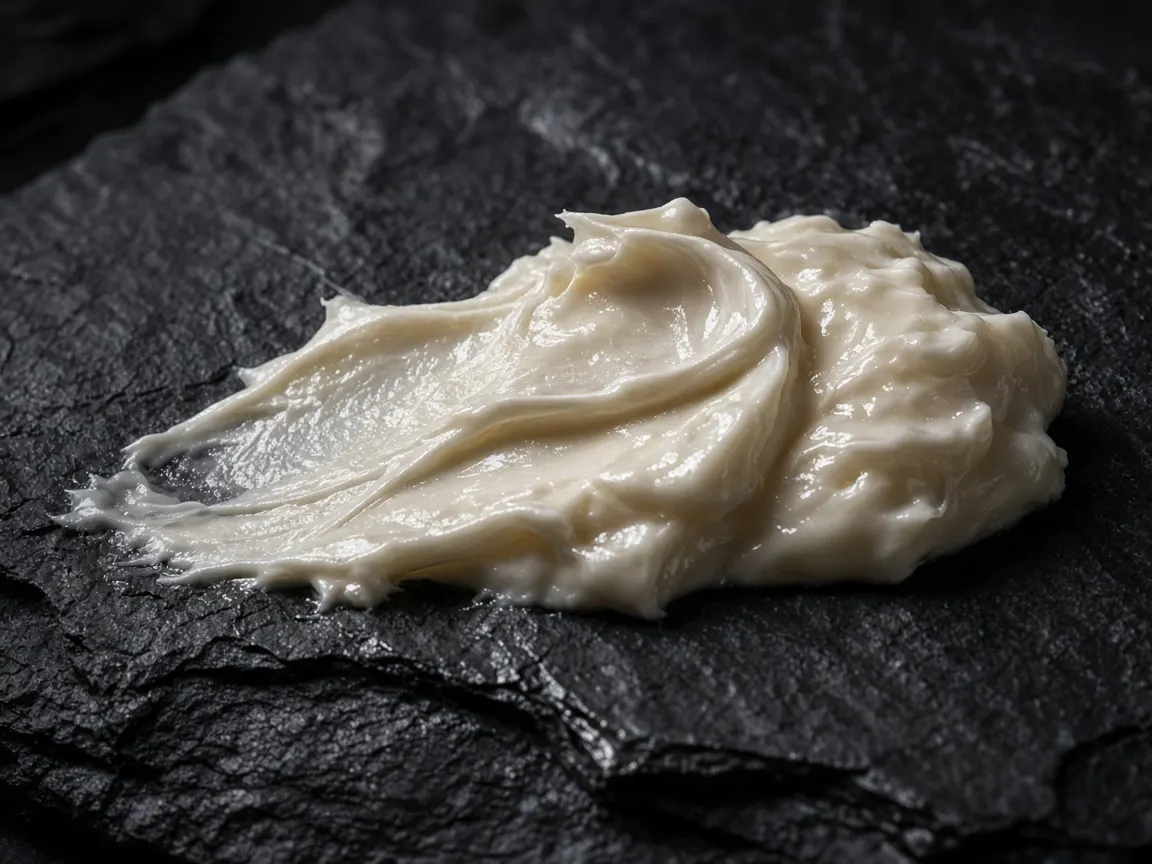
Most moisturizers combine a few kinds of ingredients. Some draw water into the skin, some smooth the surface, and some form a light seal to slow water loss. You do not need to learn the chemistry. A well-made, simple moisturizer covers all three.
Seasonal swaps
Cold wind outside and heating inside can dry skin in winter. Many people use a richer cream in colder months and a lighter lotion or gel when it is hot and humid. It is perfectly normal to own two moisturizers for this reason.
Habits that dry skin out
Long hot showers, harsh soaps, frequent scrubbing and some strongly fragranced products can all leave skin parched. Small changes, like shorter showers and a milder cleanser, often make a noticeable difference.
Timing matters
Apply moisturizer within a few minutes of washing, while skin is still slightly damp. This helps hold in the water already on your skin.
Hands, body and feet
Faces get most of the attention, but hands that are washed often, elbows and heels are usually the driest areas. Keep a hand cream by the sink and apply body lotion after your shower.
Patch test new products
Before using a new product on your face, try a small amount on your inner arm or behind the ear for a few days. If you notice redness or itching, it may not be for you.
When to get help
Persistent dryness, cracking, intense itching or rashes may need more than an over-the-counter cream. A pharmacist or doctor can help work out what is going on.
Comfortable skin is mostly about consistency. A good moisturizer used daily, with fewer harsh habits, takes care of a lot.